
Choosing Your Portfolio Layout
Three distinct layout approaches and when each one works best for showcasing your design work

Your Layout Choice Matters More Than You Think
When clients land on your portfolio, they’re forming opinions within seconds. The layout you choose isn’t just about aesthetics — it’s about how effectively you communicate your best work. Different approaches serve different purposes, and picking the right one can be the difference between someone scrolling through your projects or moving on to the next designer.
We’ve worked with hundreds of designers across Malaysia and beyond, and we’ve seen three primary layout approaches consistently outperform others. Each has distinct strengths, different target audiences, and specific situations where it shines. The trick is understanding which one aligns with your work style and career goals.

Approach 1: Grid-Based Layouts
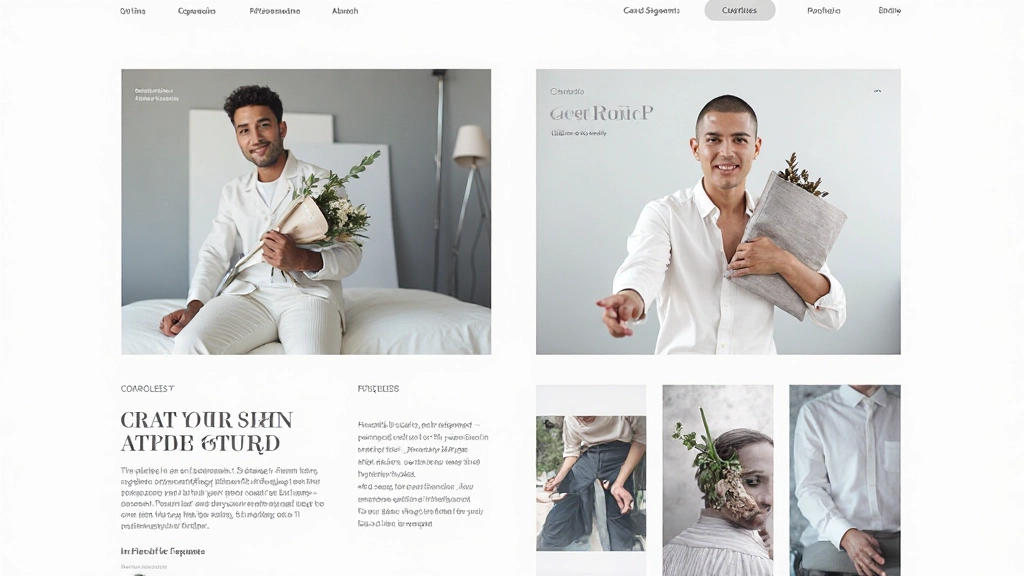
The grid layout is the most common portfolio format you’ll encounter. Projects display in a clean 2-3 column grid, thumbnail-style. It’s minimal, organized, and lets clients see a broad range of your work at once. You’re essentially saying “here’s what I do, and there’s plenty of it.”
This layout works brilliantly if you’ve got a consistent visual style across your projects. When clients can scan 12-15 pieces and immediately recognize your signature approach — consistent color use, similar typography treatment, recognizable design philosophy — they develop confidence. You’ll want solid project titles and maybe a one-line description. Keep text minimal though. The grid’s strength is its visual simplicity.
Best for: Designers with 8+ polished projects, strong visual consistency, those targeting agencies or clients who want to see breadth of capability.
Approach 2: Case Study Focus
This approach treats each project like a mini-article. You’re showing the problem, your solution, the process, and the results. Instead of seeing 15 thumbnail previews, clients see 4-5 projects in depth. It’s storytelling. It’s showing your thinking, not just your finished work.
The case study format is incredibly effective if you work on meaningful projects with real complexity. Client projects with actual constraints, strategic thinking, or iterative refinement? Perfect for this layout. You’ll include before/after comparisons, explain your design decisions, maybe show wireframes or early sketches. The goal is demonstrating that you don’t just make things look nice — you solve problems strategically.
Best for: UX/UI designers, strategists, those with fewer projects but deeper work, clients seeking to understand your process and thinking.
Approach 3: Minimalist Single-Focus
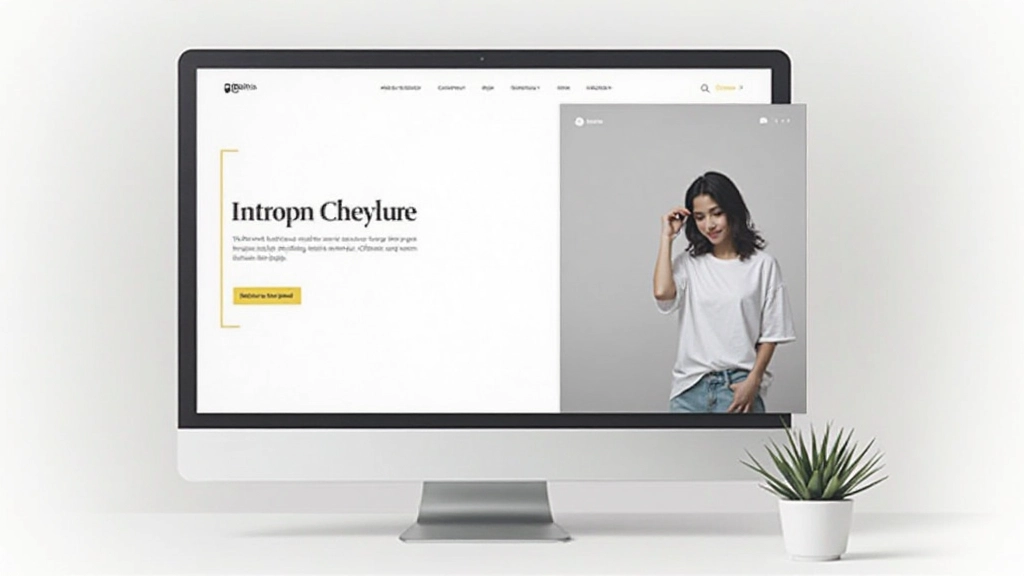
Some of the most impressive portfolios show just one or two projects. Seriously. You pick your absolute best work and present it beautifully, with breathing room. No scrolling through 20 projects. No thumbnails. Just quality. This approach requires confidence — you’re saying “this is what I’m capable of, and it speaks for itself.”
It works exceptionally well if you specialize in one area or if your projects are genuinely exceptional. A minimal portfolio feels premium, sophisticated, and client-focused. There’s more white space, larger imagery, and the focus stays on what matters. You’re not trying to impress with quantity; you’re impressing with caliber.
Best for: Specialists, those with standout projects, designers pursuing high-end clients, anyone building a premium brand position.
Quick Comparison: Which Layout Fits Your Situation?
Consider these factors when deciding between the three approaches
Grid-Based
- 8+ polished projects
- Consistent visual style
- Broad range of work
- Target: Agencies, studios
- Fast to scan
Case Study
- 4-5 substantial projects
- Strategic thinking visible
- Process matters
- Target: Direct clients, brands
- In-depth storytelling
Minimalist
- 1-3 exceptional projects
- Premium positioning
- Specialist niche
- Target: High-end clients
- Confidence-driven
Making Your Decision
Here’s the honest reality: you don’t have to pick just one forever. Many successful designers start with a grid layout because they’re building their portfolio and need to show range. As their practice matures and their style crystallizes, they might transition toward case studies. Some eventually narrow to a minimalist approach once they’re selective about the work they take on.
Think about where you are right now. If you’ve got 5 projects and they’re diverse in style, a grid feels sparse. You’d be better served by case studies on those 5 projects — diving deeper, showing more substance. If you’ve got 15+ pieces with a recognizable signature style, a grid showcases that consistency beautifully. And if you’ve got 2-3 pieces that absolutely knock it out of the park? Go minimal and confident.
The layout you choose communicates something about your practice. Grid says “I’m versatile and productive.” Case studies say “I’m thoughtful and strategic.” Minimalist says “I’m selective and premium.” None of these are wrong — they’re just different messages.
“Your portfolio layout isn’t just a design choice. It’s a business strategy. Pick the one that honestly represents where you are and where you want to go.”
The Next Step
Once you’ve decided on a layout approach, the real work begins: filling it with your best work, writing compelling project descriptions, and ensuring your portfolio loads fast on every device. But that decision about which layout structure to use? That’s foundational. Get it right, and everything else follows more naturally.
Most designers we work with find that their choice becomes clear once they think honestly about their current body of work and the clients they want to attract. You don’t need to have it perfect from day one. What matters is starting with an approach that fits where you are now.
Ready to Build Your Portfolio?
These layout approaches work on any platform — from custom-built sites to portfolio builders. The key is choosing the structure that matches your work and your goals.
Explore More Portfolio ResourcesRelated Articles



About This Article
This article provides general guidance on portfolio layout approaches based on common practices in the design industry. Your specific situation may differ based on your experience level, specialty, target market, and career goals. Consider your unique circumstances when making decisions about your portfolio structure. Results and effectiveness vary depending on implementation, project quality, and how well your portfolio matches your actual skills and experience.