

Choosing Your Portfolio Layout
Three layout approaches and when each one works best. Covers grid-based, case study-focused, and minimalist styles.
Read MoreLearn how to create a showcase that gets you noticed by clients and employers across Malaysia’s creative industry
Whether you’re a freelancer launching your first site or an established designer refreshing your work, these resources cover the fundamentals of effective portfolio design — from layout choices to presentation strategies that actually work.

Practical guides to improve how you present your work
Three layout approaches and when each one works best. Covers grid-based, case study-focused, and minimalist styles.
Read More
What to include in project descriptions and how to highlight your actual contribution without overstating anything.
Read More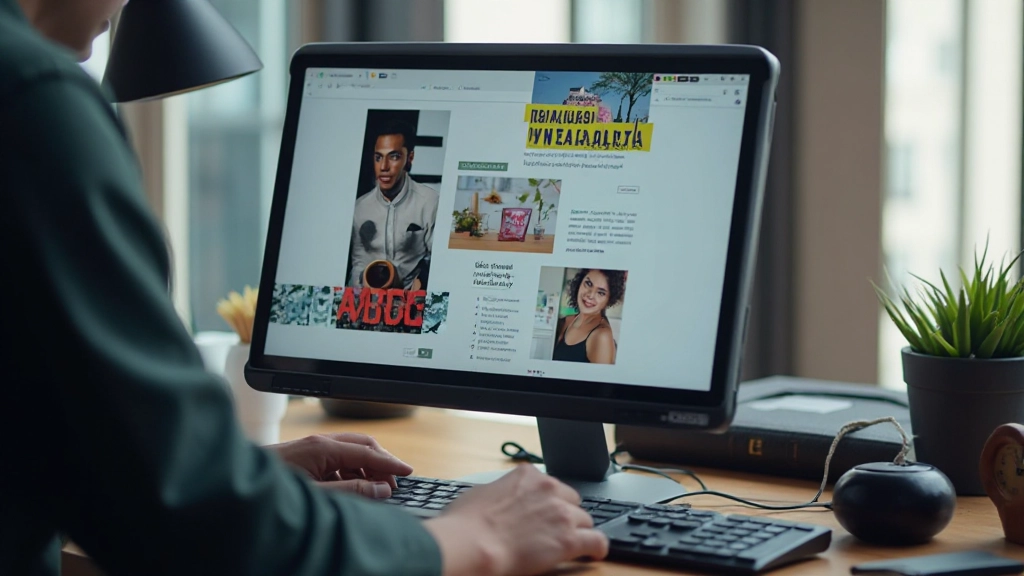
How typography, color, and spacing choices create a cohesive brand experience. Includes common mistakes to avoid.
Read More
Most clients view portfolios on phones now. Here’s how to make sure yours looks great on every screen size.
Read MoreDon’t just show finished work. Include sketches, wireframes, or design decisions. It proves you understand the “why” behind your choices — not just the final result.
Five strong projects beat twenty mediocre ones. Pick work you’re genuinely proud of. It’s better to show less and have everything be excellent.
An outdated portfolio is worse than no portfolio. Aim to add something new every two to three months — even small projects count.
If you worked with a team, say so. Employers want to know what you specifically contributed, not what the whole team created together.
We looked at what actually works for designers getting hired. Here’s what we found:
Fast load times matter more than you think. Clients spend maybe 10-15 seconds on your home page before deciding if they’ll scroll further. If your site’s slow, they’re gone.
Clear navigation is essential. People should understand your site structure in seconds — portfolio, about, contact, maybe a blog. Don’t get creative with navigation. Save that energy for your design work.
A professional bio actually helps. Three or four sentences explaining who you are, what you specialize in, and why clients should hire you. You’d be surprised how many portfolios skip this entirely.
Contact information needs to be obvious. Clients want to reach you. Make it easy. A contact form is good, but also include an email address they can copy.
Testimonials or social proof work. If you’ve done good work, ask clients or collaborators for a sentence or two. One honest testimonial beats ten generic compliments.